

Let us contact you
How to Maintain a Float Valve for Long-Term Performance
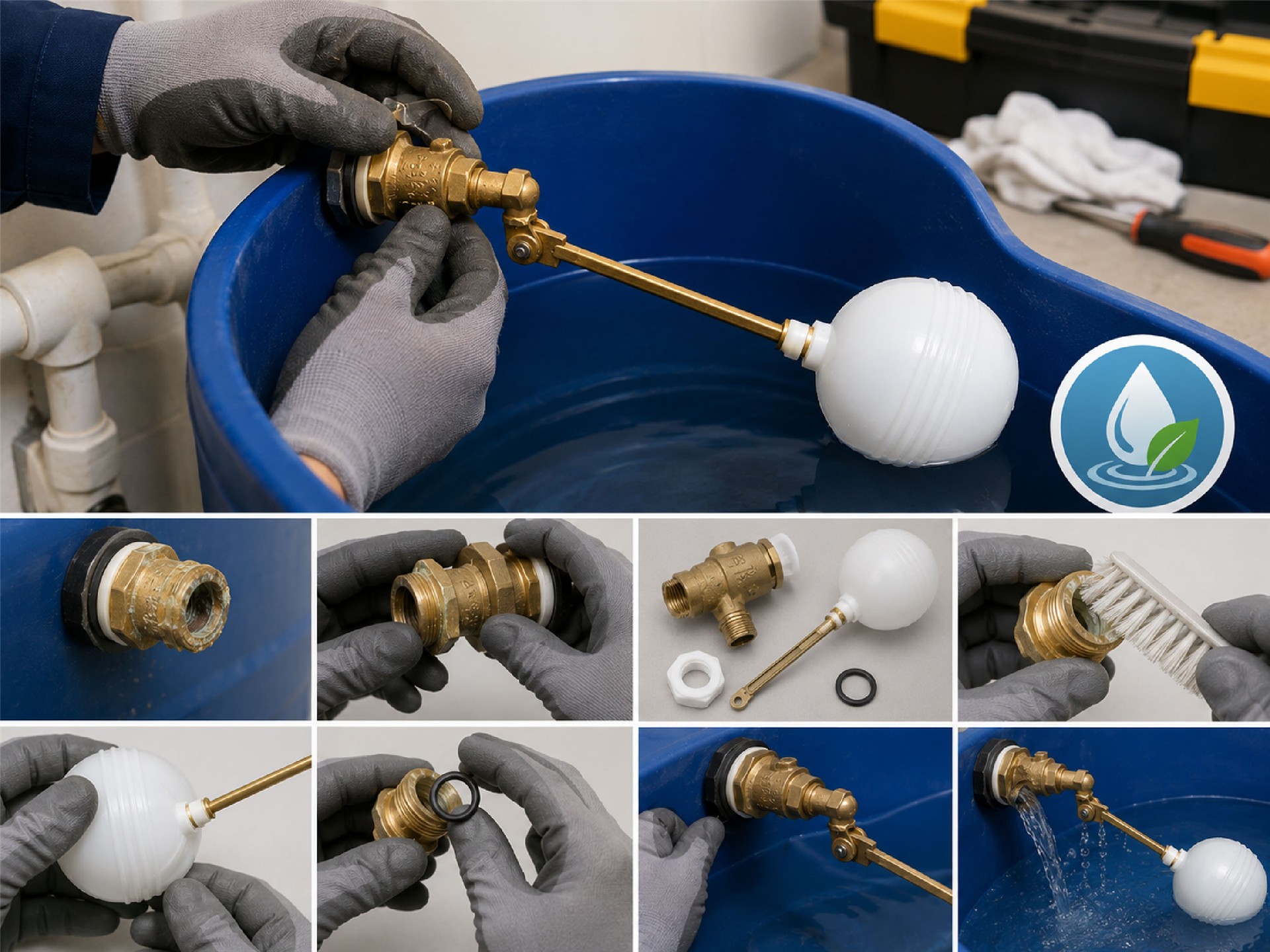
❝Learn professional float valve maintenance tips for safer, more efficient, and longer-lasting performance with Elsa Float Valves.
A float valve is an essential component of water storage systems, automatically controlling the water level in tanks, reservoirs, and solar water heating systems. Although high-quality float valves are designed for long service life, regular inspection and maintenance help ensure maximum efficiency and reliable performance.
Without periodic maintenance, mineral deposits, worn seals, corrosion, and mechanical wear may reduce efficiency and eventually cause leaks or overflow. Proper maintenance extends product life while protecting the entire plumbing system.
With decades of manufacturing expertise, Elsa Water Fittings produces durable Elsa Float Valve solutions that require minimal maintenance while delivering dependable long-term performance.
Why Is Float Valve Maintenance Important?
Routine maintenance provides several important benefits:
-
Prevents water leakage
-
Maintains accurate water level control
-
Reduces water waste
-
Prevents overflow
-
Extends service life
-
Minimizes unexpected failures
Regular inspections are particularly important for apartment buildings, commercial facilities, and industrial water storage systems.
How Often Should a Float Valve Be Inspected?
Inspection intervals depend on operating conditions and water quality.
General recommendations include:
-
Every six months for residential water tanks
-
At least twice a year for apartment buildings
-
According to scheduled maintenance programs in industrial facilities
Areas with hard water may require more frequent inspections because mineral deposits develop more quickly.
How to Perform Float Valve Maintenance
Before maintenance, the water supply should be turned off and the system made safe.
Inspection should include:
-
Checking float movement
-
Cleaning mineral deposits
-
Inspecting seals
-
Tightening connections
-
Looking for corrosion
-
Testing valve operation
Using suitable cleaning products instead of aggressive chemicals helps protect the valve components.
When Should a Float Valve Be Replaced?
Maintenance may not always be sufficient. Replacement is recommended when:
-
The valve continuously leaks.
-
It no longer closes completely.
-
The body is cracked.
-
The float becomes damaged.
-
Severe corrosion is present.
-
The same failures occur repeatedly.
Replacing worn components with a high-quality float valve improves system reliability.
Why Quality Reduces Maintenance
Premium float valves manufactured from durable materials require less maintenance and provide consistent performance for many years.
Benefits include:
-
Longer service life
-
Precise water level control
-
Reduced maintenance costs
-
High corrosion resistance
-
Reliable operation
-
Excellent mechanical durability
Choosing quality products offers better long-term value.
Why Choose Elsa Float Valves?
Since 1976, Elsa Water Fittings has manufactured Elsa Float Valve products designed for durability, precision, and long-term reliability.
Key advantages include:
-
Durable brass body
-
Precision mechanism
-
Long service life
-
Easy installation
-
Reliable performance
-
Wide product range
-
High manufacturing standards
Elsa Float Valves are trusted for residential, commercial, and industrial water control systems worldwide.
Conclusion
Routine maintenance is essential for maintaining efficient and reliable water storage systems. Regular inspections help reduce water loss, prevent unexpected failures, and maximize equipment life.
Designed for durability and minimal maintenance, Elsa Float Valve products continue to provide dependable water control solutions backed by the manufacturing expertise of Elsa Water Fittings.
Search our site