

Let us contact you
Common Float Valve Problems and Effective Solutions
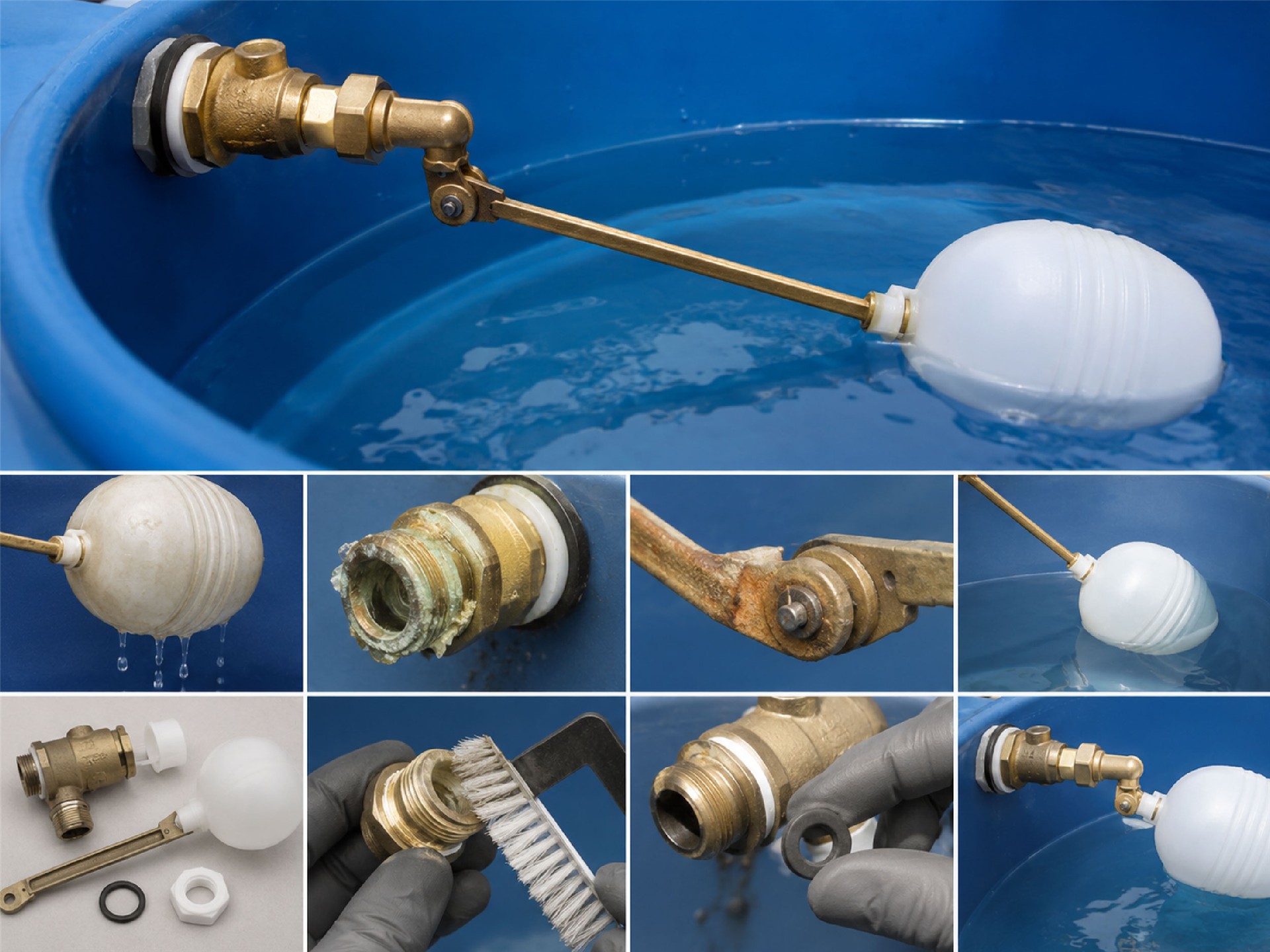
❝Find out why float valves fail, how to maintain them, and how Elsa Water Fittings provides reliable long-lasting float valve solutions.
A float valve is one of the most important components in water storage systems, automatically controlling the water level in tanks, reservoirs, and solar water heating systems. Like any mechanical device, however, float valves may develop problems over time due to continuous operation, poor maintenance, or low-quality materials.
Choosing a high-quality float valve and performing regular maintenance can significantly extend the service life of the entire plumbing system. Elsa Water Fittings manufactures durable Elsa Float Valve products designed for reliable operation, precise water level control, and long-term performance.
Why Do Float Valve Problems Occur?
Float valves operate continuously in wet environments, making them vulnerable to wear over time. Poor installation practices and inferior manufacturing quality may also contribute to premature failure.
Common causes include:
-
Limescale and sediment buildup
-
Corrosion
-
Mechanical wear
-
Incorrect connection size
-
Low-quality materials
-
Damaged float mechanism
-
Worn sealing components
Using a professionally manufactured float valve greatly reduces the risk of these problems.
Most Common Float Valve Problems
Water Does Not Stop Flowing
If water continues entering the tank after it is full, the valve may not be closing properly because of worn seals or internal contamination.
Water Leakage
Continuous dripping often indicates damaged seals or worn valve surfaces.
Float Does Not Move Freely
Mineral deposits or physical damage may prevent the float from moving correctly, resulting in inaccurate water level control.
Noisy Operation
Unusual noise during filling may be caused by pressure fluctuations or internal wear.
Corrosion
Low-quality products may corrode much sooner than expected, reducing efficiency and shortening service life.
How to Prevent Float Valve Problems
Most failures can be avoided with simple preventive maintenance.
Recommended practices include:
-
Clean the water tank regularly.
-
Remove limescale deposits.
-
Check the float's movement.
-
Inspect seals periodically.
-
Select the correct connection size.
-
Choose high-quality brass float valves.
These simple steps help maintain reliable operation for many years.
The Importance of Choosing Quality
A premium float valve offers better reliability, greater durability, and lower maintenance costs.
Benefits include:
-
Accurate water level control
-
Reduced water waste
-
Overflow prevention
-
Longer service life
-
Lower maintenance costs
-
Improved system efficiency
Choosing quality products is always a better long-term investment.
Why Choose Elsa Float Valves?
With decades of manufacturing experience, Elsa Water Fittings produces Elsa Float Valve solutions designed for reliability, durability, and precision.
Featuring robust brass construction, high manufacturing standards, and dependable performance, Elsa Float Valves are trusted in residential, commercial, and industrial water systems.
Conclusion
Most float valve failures are caused by poor maintenance or low-quality products. Selecting a reliable float valve and performing regular inspections help protect plumbing systems, reduce water waste, and extend equipment life.
For dependable water control solutions, Elsa Water Fittings continues to provide durable Elsa Float Valve products trusted by professionals and homeowners alike.
Search our site